
Time and Place: A Bilingual Parenting Method
Inside: What is the Time and Place bilingual parenting approach, who uses the Time and Place approach, the pros and cons of Time and Place and tips for implementing Time and Place approach in your family.
Are you interested in, or currently raising bilingual children? That is superb! You are doing a wonderful thing for your child for which they will be forever grateful!
If you’re just getting started on your bilingual journey, you need to choose a family language plan that works for your family!
Check out the four more-studied family language plans below:
This approach is ideal for two parents or caretakers who both speak the minority, or target language and want to nurture it at home.

OPOL is an excellent option for mixed-language families who want to raise a bilingual child. The most common families using this approach are those with one monolingual speaking parent.
The time and place approach is great for monolingual parents who want to introduce a second language at home.
Mixed language families who want to introduce a third language or more.
This is also a great approach for monolingual families who want to learn a language together!
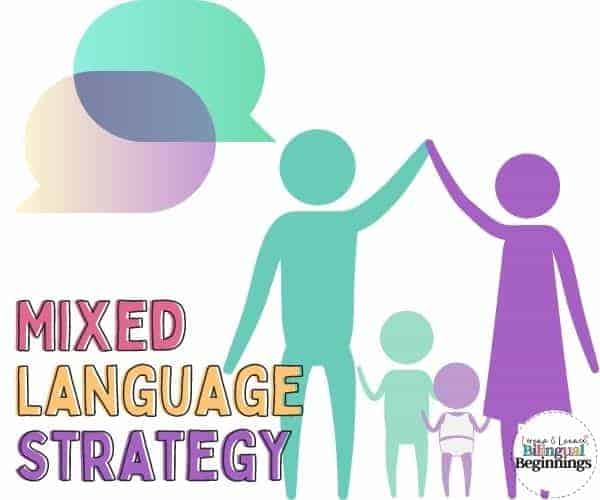
The Mixed Language Strategy is relatively straightforward. Both parents use both the minority and the majority languages with their child(ren).
Many bilingual communities, such as immigrant enclaves or expat communities use the Mixed Language Strategy.
Once you pick your family language strategy, check out the following posts for more information about childhood bilingualism.
Don’t worry if you haven’t picked your strategy yet. These strategies are flexible and you can tailor them to your family’s needs.
Inside: What is the Time and Place bilingual parenting approach, who uses the Time and Place approach, the pros and cons of Time and Place and tips for implementing Time and Place approach in your family.

An in-depth introduction about one of the four main approaches of raising bilingual children, the one person, one language approach.
An in-depth introduction about one of the four main approaches of raising bilingual children: the minority language at home (MLAH) approach.

I will go into ten myths about raising bilingual children and provide examples as to why they are myths.

If you have landed here, I am guessing you are in an interethnic relationship/marriage and are interested in raising a bilingual child. Or, maybe you are an immigrant or second/third-generation immigrant and want to raise your child speaking your native language. Or, perhaps you simply love languages and/or know the benefits of being bilingual and want to jump start your child during the early stages of their language acquisition years. Regardless of the answer you have come to the right place.